Where Technology Meets

Climate Action!

A growing portfolio of UK–Pakistan research collaborations tackling deforestation, energy transition, and climate resilience through AI, IoT, wireless sensing, and digital innovation.
app screen
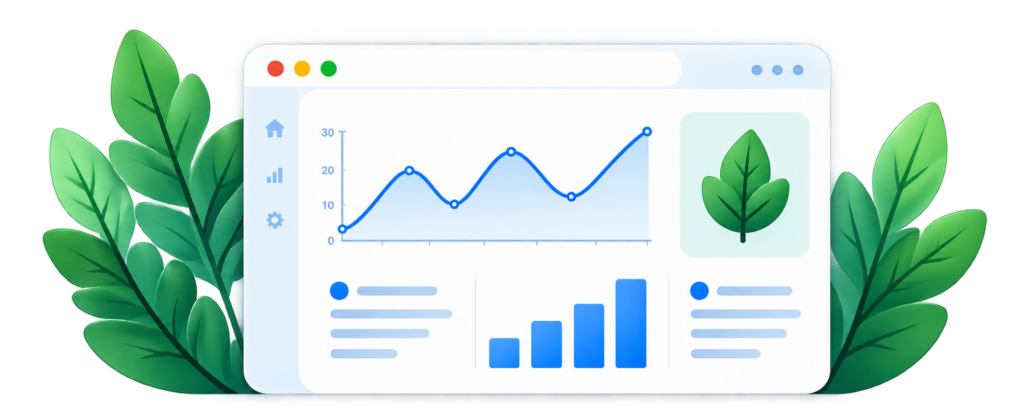
aqi dashboard

AQI Dashboard

Monitor air quality levels, trends, and key indicators through an interactive dashboard supporting environmental research and informed decision-making.

our purpose
WHY THIS HUB

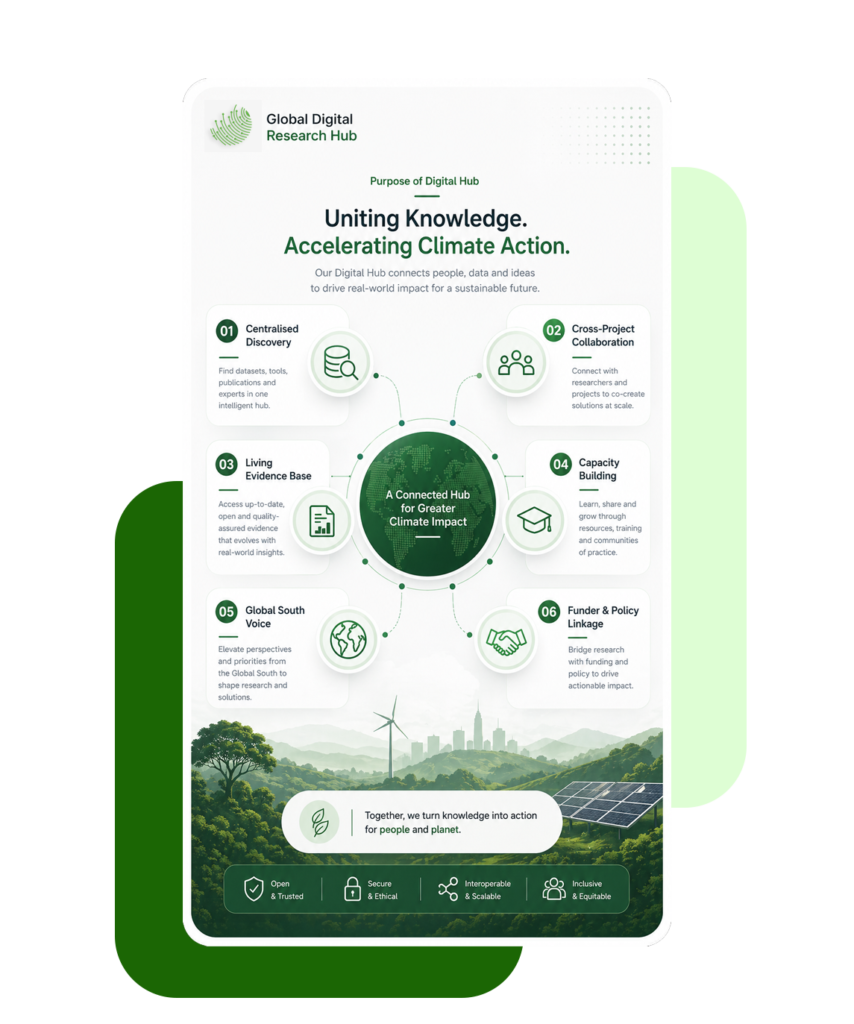
Purpose of the Global Digital Research Hub

The Digital Research Hub exists to bring together a growing portfolio of UK–Pakistan climate and sustainability research projects under one accessible platform. Too often, important research; its data, people, progress, and real-world impact; remains siloed within institutions and technical reports, invisible to the communities and stakeholders it most affects.

This hub changes that. By giving each project a dedicated, living page, we make research discoverable, transparent, and actionable, for funders, policymakers, partner institutions, students, and civil society alike.

Bridging the gap between climate research and climate action requires not just better science but better communication of that science.​
elcf logo white png

Empowering a Low-Carbon Future

The Hub’s anchor project: a UK–Pakistan partnership applying AI, IoT, and Digital Twins to low-carbon capacity building in Balochistan.

ELCF advances support for a low-carbon economy through AI-enabled forecasting, IoT-based energy optimisation, and Digital Twin modelling for smart, climate-resilient cities. It is delivered jointly by Middlesex University London and BUITEMS Quetta, with Brunel University London as associate partner.

The programme runs across three phases and five core activities — from transformative research partnerships and joint technical workshops through to a permanent AI-enabled Knowledge Exchange Hub and a co-developed AI-IoT curriculum. Gender equality and inclusivity are embedded at every stage, with a minimum 40% female participation target across training and mentoring.

RESEARCH THEMES

What We Work On?

Wireless Sensor Networks

IoT and LoRa-based sensor deployments for real-time environmental monitoring in remote and resource-constrained settings.

Forest & Land Monitoring

Combating deforestation through autonomous detection of illegal logging, fire, and vegetation health degradation.

AI & Machine Learning

Deep learning and computer vision for environmental sensing, disease detection, and intelligent data processing.

Remote Sensing & GIS

Satellite imagery, ArcGIS and SUPARCO partnerships for landscape-scale vegetation and land-use analysis.

Low-Carbon Energy

Renewable energy integration, digital twin modelling, and energy system optimisation for climate-resilient communities.

Next-Gen Communications

6G antenna research (DMA prototypes), RF propagation in challenging environments, and connectivity for underserved regions.

The Resource Hub

Explore the Hub!

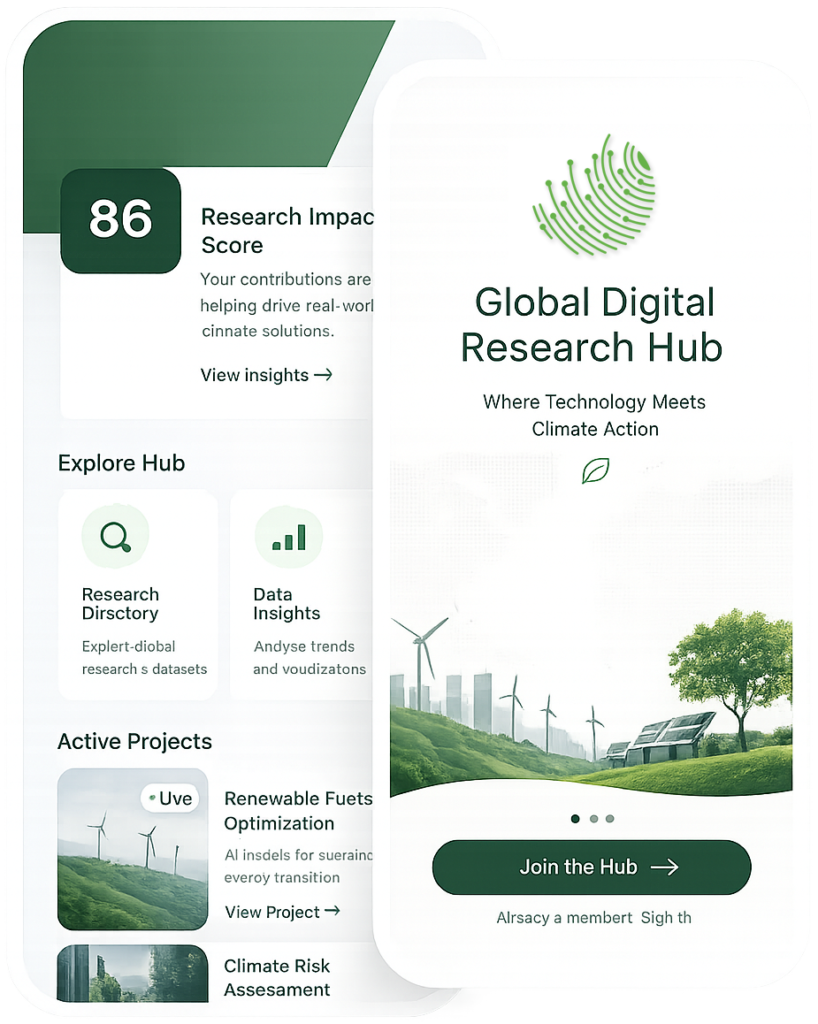
Find relevant projects, dashboards, events, publications, and more at one place.

Events

Discover upcoming seminars, workshops, conferences, webinars, and networking opportunities bringing together researchers, practitioners, and partners.

Latest Updates

Stay informed with the latest news, announcements, activities, achievements, and developments from the Hub and its research community.

Live Dashboards

Explore interactive dashboards presenting research data, indicators, trends, and real-time insights to support evidence-based decision-making.

Publications

Access research papers, reports, policy briefs, case studies, and other knowledge products produced by the Hub and its partners.

Projects

Explore ongoing and completed research projects, their objectives, teams, outputs, partnerships, and contributions to sustainable development.

Community

Connect with researchers, academics, students, and professionals, explore their expertise, and discover opportunities for collaboration.

Grounded in Real Impact!

Across our projects, we measure success not just in publications but in forests monitored, communities reached, researchers trained, and emissions data made actionable.

+
Researchers
+
Publications
Projects
SDGs directly addressed